
The electronic commerce business has evolved far beyond online buying and selling. Today, it plays a central role in reshaping modern finance. From how payments are processed to how businesses access capital, e-commerce has become deeply embedded in financial systems worldwide.
What makes this shift significant is speed. Financial decisions that once took days now happen instantly. As online commerce continues to grow, finance is becoming faster, smarter, and more connected than ever before.
The Rise of Electronic Commerce in Financial Systems
In the past, businesses depended heavily on banks for transactions, loans, and financial reporting. Modern e commerce businesses now rely on integrated platforms that combine sales, payments, analytics, and accounting.
This transformation allows companies to:
-
Track revenue in real time
-
Automate financial records
-
Reduce manual errors
-
Improve cash flow visibility
An e commerce company today operates with more financial independence than traditional businesses.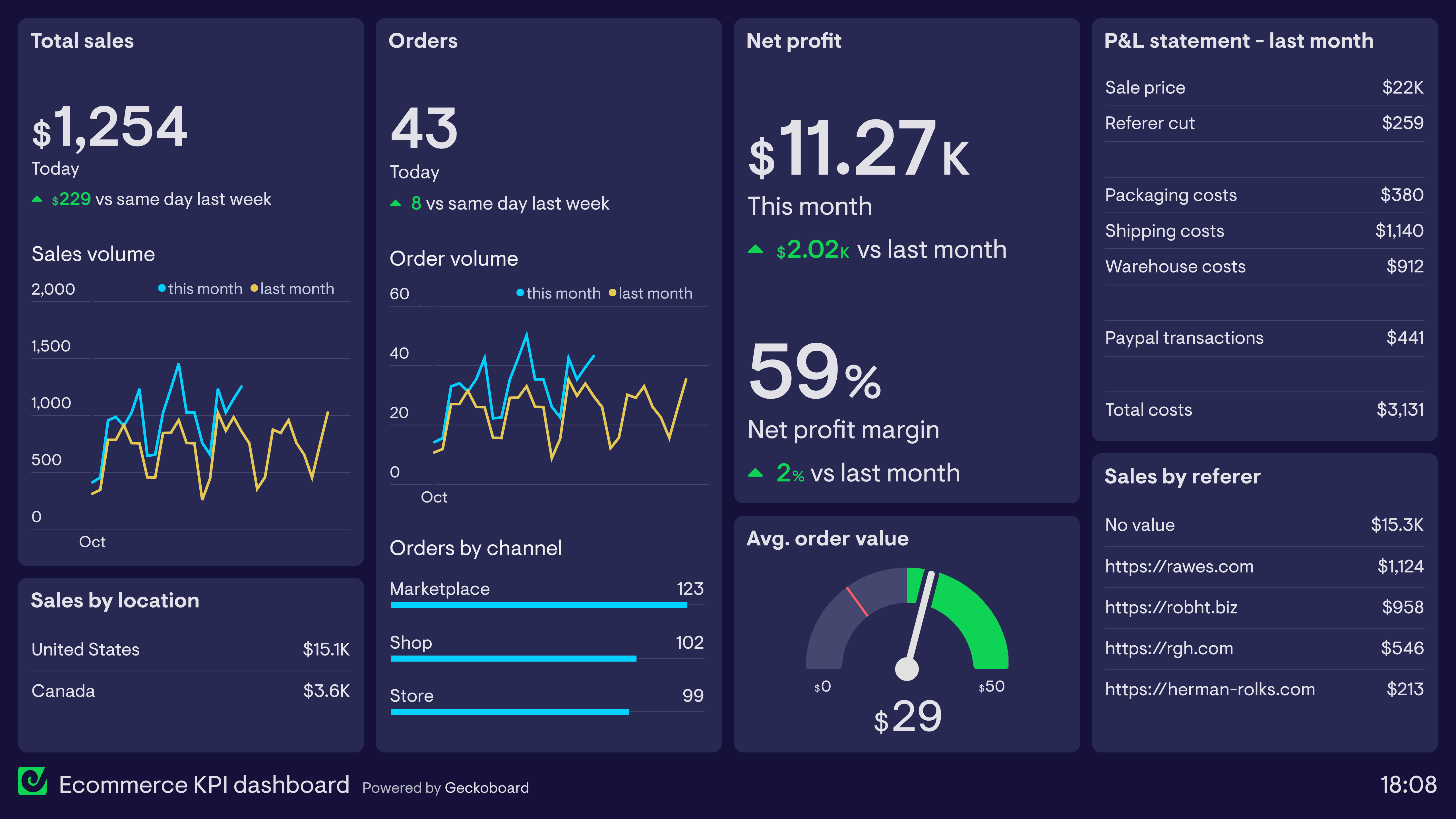
Digital Payments Are Changing the Flow of Money
Digital payment solutions are at the core of online commerce. Credit cards, digital wallets, and instant transfers have replaced slow and costly payment methods.
Why digital payments matter in finance:
-
Transactions settle faster
-
Businesses receive funds sooner
-
Customers experience smoother checkouts
-
Financial records remain transparent
For an online commerce business, payment efficiency directly impacts growth and customer trust.
Data-Driven Financial Decision Making
Every transaction in an electronic commerce business generates valuable data. This data is now a major financial asset.
E-commerce platforms help businesses:
-
Forecast revenue accurately
-
Understand customer spending patterns
-
Reduce unnecessary expenses
-
Identify profitable opportunities
Modern finance has shifted from guesswork to data-backed strategy.
E-Business Models and Easier Access to Funding
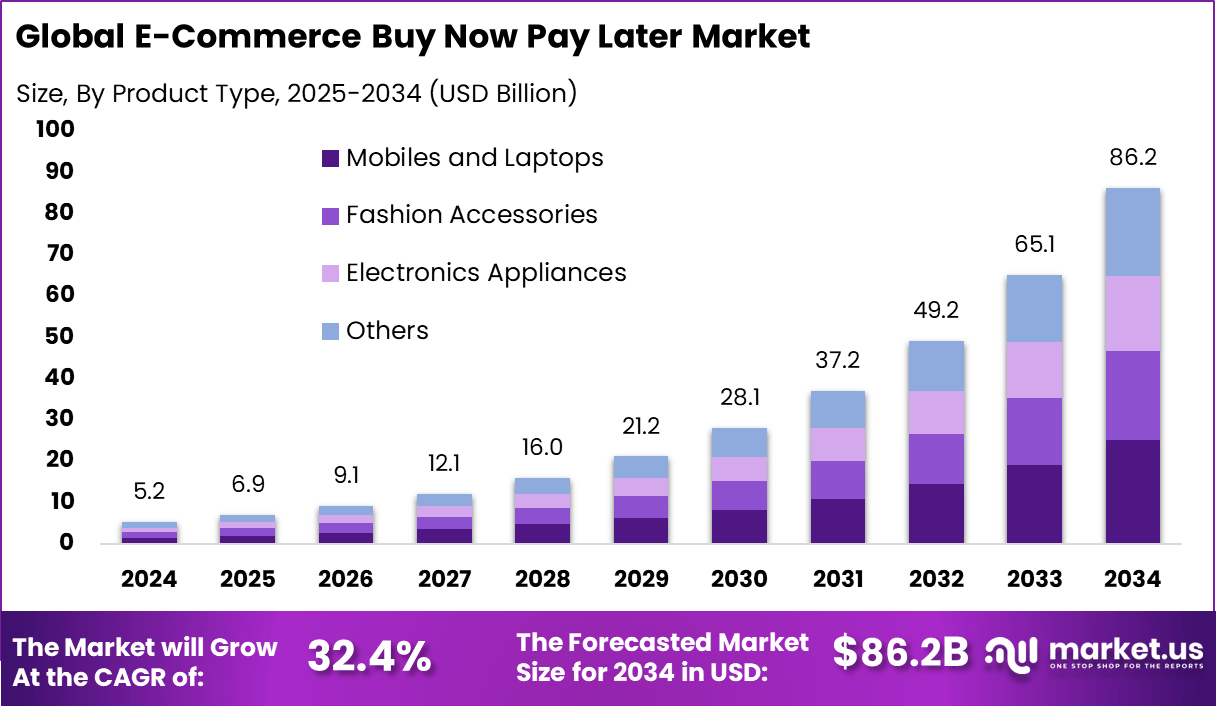
Access to capital has traditionally been a challenge for small and medium businesses. E business models are changing that by using real sales data instead of lengthy paperwork.
Many e-commerce platforms now offer:
-
Revenue-based financing
-
Merchant cash advances
-
Buy-now-pay-later solutions
-
Automated credit approvals
This allows businesses to scale faster while aligning finance with actual performance.
Global Reach and Cross-Border Finance
An electronic commerce business can serve international customers without physical expansion. This global reach has redefined financial operations.
Key benefits include:
-
Multi-currency payment acceptance
-
Automated tax calculations
-
Faster international settlements
-
Reduced reliance on local banks
As a result, modern finance is becoming increasingly global and decentralized.
Security and Trust in Online Finance
Financial trust is essential in digital commerce. E-commerce platforms invest heavily in security technologies to protect users.
Key security measures include:
-
Encrypted transactions
-
Fraud detection systems
-
Secure payment gateways
-
Regulatory compliance tools
These measures strengthen confidence in online financial systems and encourage wider adoption.
Emerging Trends in E-Commerce Finance
The relationship between finance and online commerce continues to evolve. New technologies are shaping the future.
Major trends include:
-
Embedded finance within shopping platforms
-
AI-driven financial forecasting
-
Subscription-based payment models
-
Real-time financial reporting
These innovations make financial management more efficient and accessible for businesses of all sizes.
Challenges Businesses Must Manage
Despite its advantages, electronic commerce finance comes with challenges. Businesses must maintain financial discipline and compliance.
Common challenges include:
-
Managing cash flow fluctuations
-
Adapting to changing regulations
-
Protecting customer data
-
Avoiding over-dependence on credit

Long-term success depends on responsible financial practices.
Conclusion
The electronic commerce business has permanently transformed modern finance. By combining technology, data, and financial services, e-commerce has created a more agile and inclusive financial environment.
As digital commerce expands globally, its influence on finance will continue to grow. Businesses that adapt to this shift will gain a lasting competitive advantage.