
A successful online commerce business is built on more than products, marketing, and traffic. Behind every high-performing e-commerce brand lies a strong financial backbone. Without efficient financial systems, even the most popular online store can struggle to survive.
From managing cash flow to handling digital payments and forecasting growth, finance plays a critical role in long-term success. Understanding and strengthening this backbone allows businesses to scale confidently in a competitive digital economy.
Why Finance Is the Foundation of Online Commerce
Unlike traditional retail, an online commerce business operates in real time. Orders, payments, refunds, and expenses happen continuously. This makes financial control essential rather than optional.
A strong financial foundation helps businesses:
-
Maintain healthy cash flow
-
Make informed investment decisions
-
Avoid operational disruptions
-
Build long-term stability
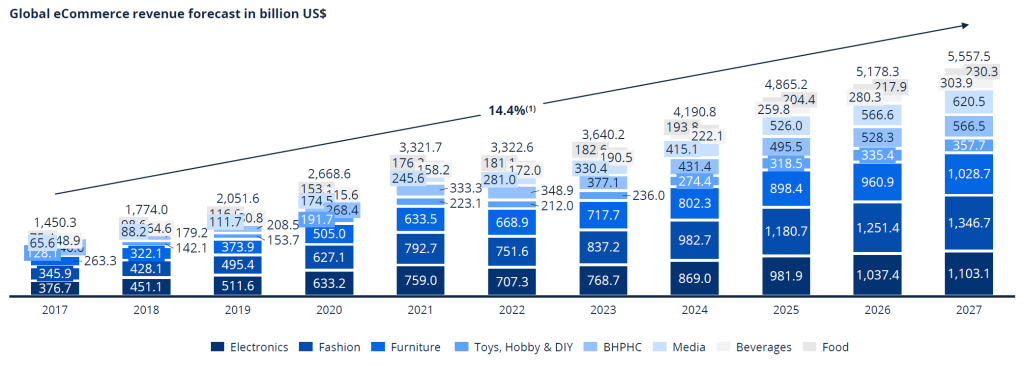
In modern electronic commerce businesses, finance is deeply integrated into daily operations.
Cash Flow: The Lifeline of E-Commerce Success
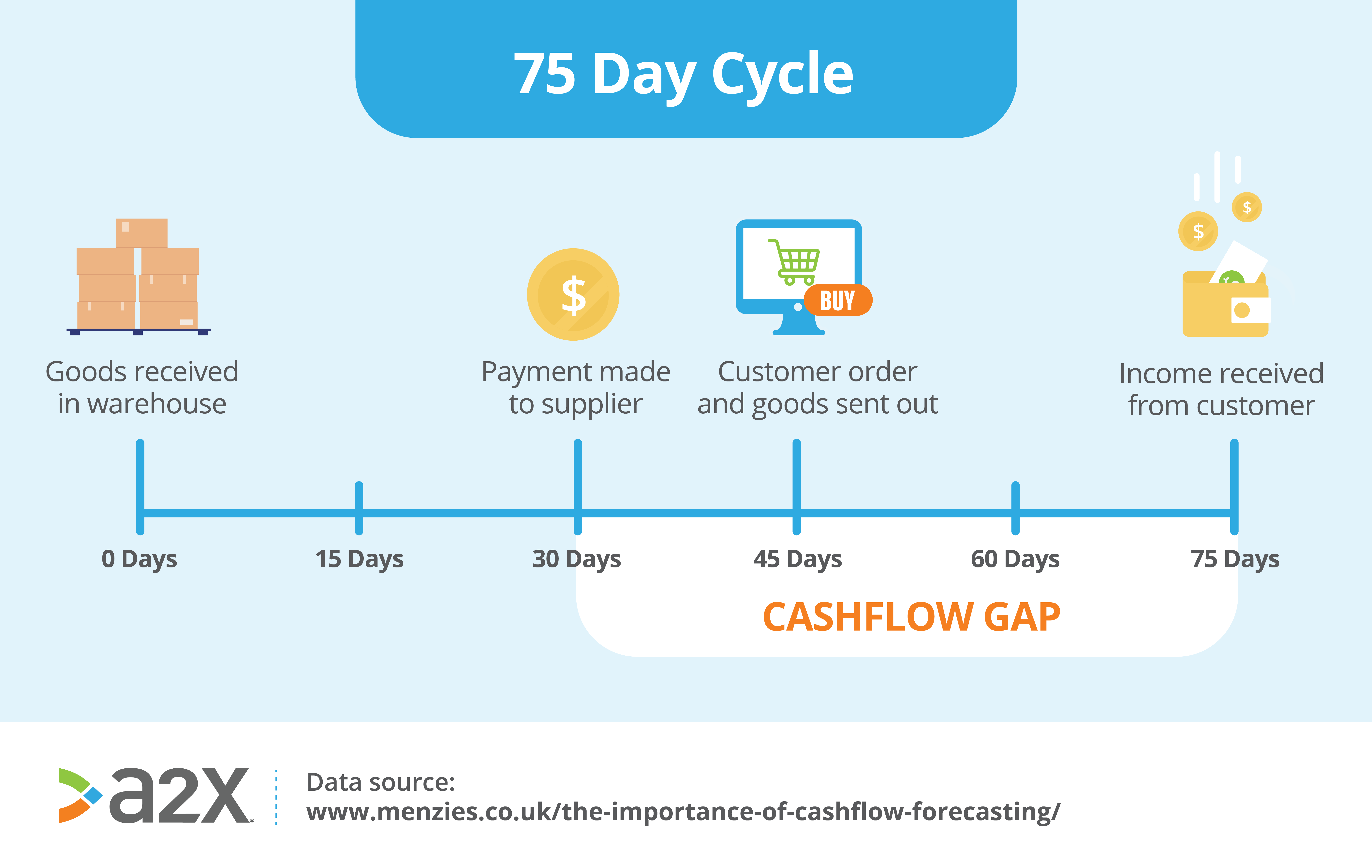
Cash flow is the most critical element of any e commerce business. Even profitable stores can fail if cash is not managed properly.
Key cash flow priorities include:
-
Monitoring incoming and outgoing payments
-
Managing inventory costs efficiently
-
Planning for seasonal sales fluctuations
-
Reducing unnecessary operational expenses
Consistent cash flow ensures that the business can meet obligations while investing in growth.
Digital Payments and Financial Efficiency
Digital payments form the transactional core of an online commerce business. Fast, secure, and reliable payment systems directly influence customer trust and business performance.
Benefits of optimized digital payment systems:
-
Faster settlement times
-
Lower transaction friction
-
Improved checkout experience
-
Accurate financial records
Efficient payment processing strengthens both revenue stability and customer satisfaction.
Financial Data and Performance Tracking
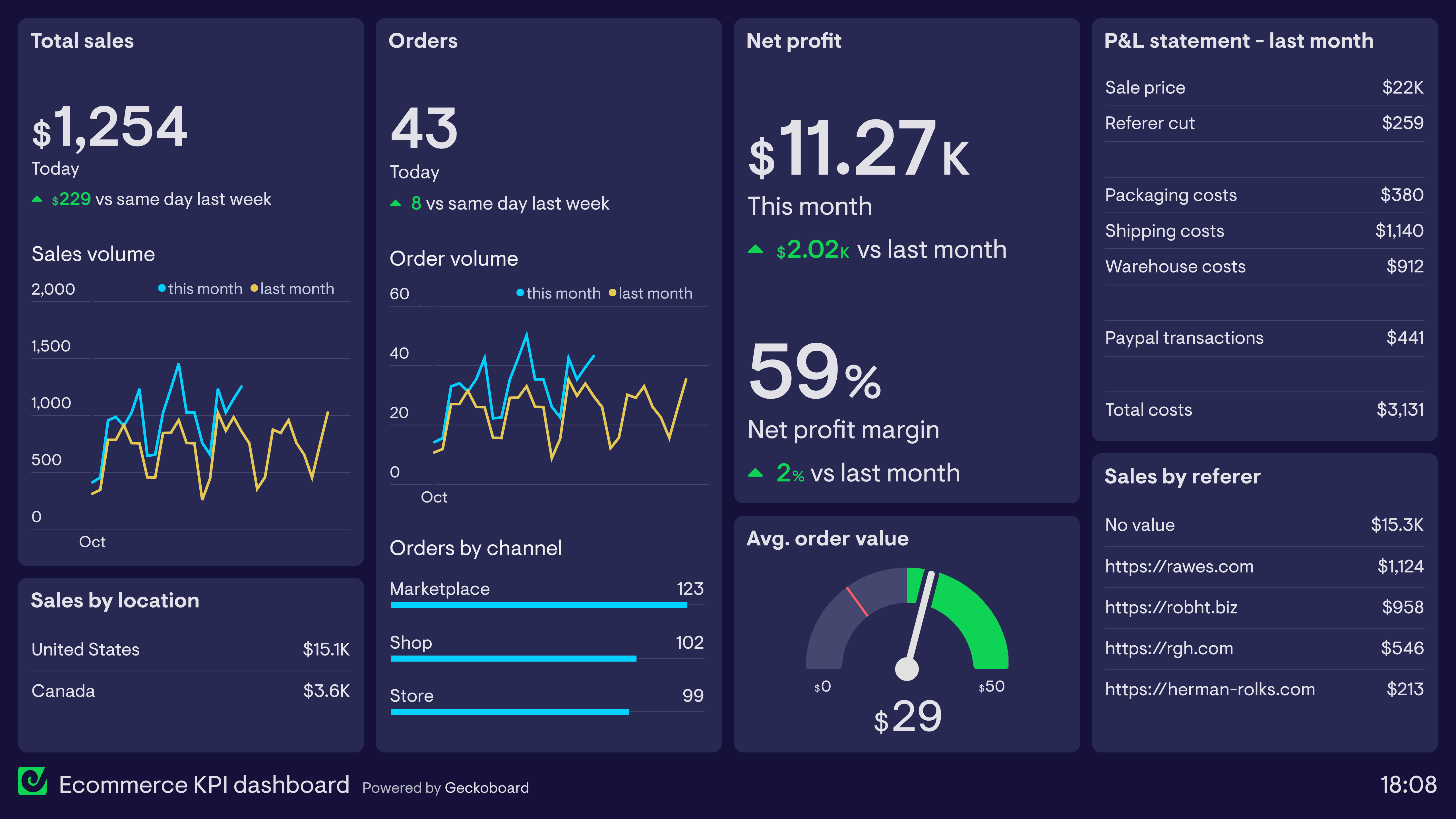
Every transaction in an electronic commerce business generates data. When used correctly, this data becomes a powerful financial tool.
Businesses that track financial data effectively can:
-
Measure profit margins accurately
-
Identify top-performing products
-
Forecast future revenue
-
Reduce financial risk
Data-driven finance allows business owners to move from reactive decisions to strategic planning.
Smart Budgeting and Cost Control
Sustainable growth requires disciplined budgeting. A successful e business understands where money is being spent and why.
Key areas to monitor include:
-
Marketing and advertising spend
-
Logistics and shipping costs
-
Technology and platform fees
-
Customer acquisition expenses
Clear budgeting ensures profitability without sacrificing growth opportunities.
Access to Capital in Online Commerce
Modern e commerce companies benefit from alternative financing options that were not available in traditional retail.
Common funding solutions include:
-
Revenue-based financing
-
Merchant cash advances
-
Short-term working capital loans
-
Performance-based credit models
These options allow businesses to expand without relying solely on traditional banks.
Financial Security and Risk Management
Security is a core part of the financial backbone. Online businesses must protect both their revenue and customer data.
Strong financial risk management includes:
-
Fraud prevention systems
-
Secure payment gateways
-
Regular financial audits
-
Compliance with financial regulations
Trust and security directly impact customer retention and brand credibility.
Scaling an Online Commerce Business Sustainably
Growth without financial planning often leads to instability. A scalable online commerce business grows in alignment with its financial capacity.
Sustainable scaling involves:
-
Forecasting expenses before expansion
-
Maintaining liquidity during growth phases
-
Investing in automation and analytics
-
Avoiding over-reliance on debt
Financial discipline ensures that growth strengthens the business rather than weakening it.
Common Financial Mistakes to Avoid
Many online businesses fail due to preventable financial errors.
Avoid these common mistakes:
-
Ignoring cash flow warnings
-
Overspending on paid advertising
-
Poor inventory planning
-
Lack of financial reporting
Awareness and planning help businesses stay resilient in competitive markets.
Conclusion
The success of an online commerce business depends heavily on its financial backbone. Cash flow management, digital payments, data-driven insights, and disciplined budgeting form the foundation of sustainable growth.
As electronic commerce continues to evolve, businesses that prioritize financial strength will outperform competitors and adapt more easily to market changes. Strong finance is not just support—it is the engine that drives long-term success.